Referee Rotation Effects on Set Piece Markets Within French Professional Leagues
Écrit par Uma Carter · 22/11/2026
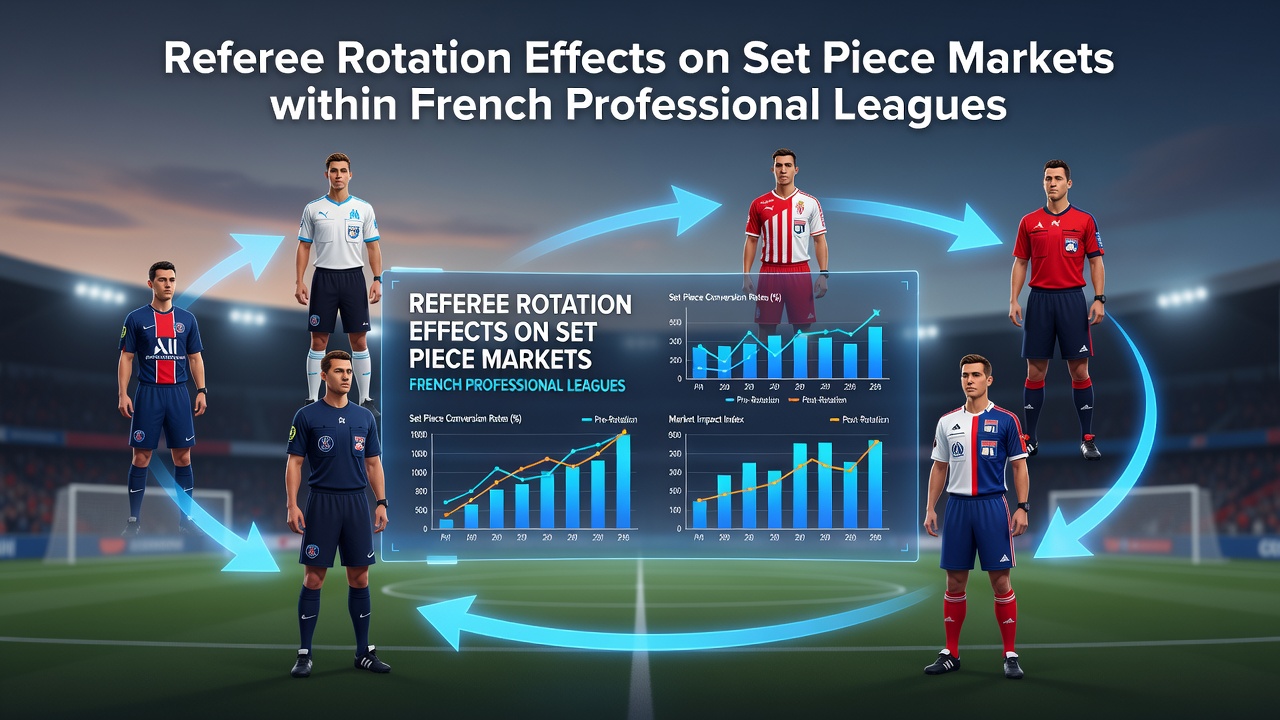
Referee Rotation Effects on Set Piece Markets Within French Professional Leagues
Referee rotation schedules in French professional football create measurable shifts in set piece frequency and betting market movements across Ligue 1 and Ligue 2 fixtures, with data from recent seasons showing clear correlations between assigned officials and free kick counts, corner totals, and penalty awards. League administrators implement these rotations to promote consistency and reduce familiarity bias, yet each referee brings distinct patterns in foul detection and disciplinary thresholds that directly influence set piece opportunities. Those who've tracked French domestic matches note that the announcement of a specific referee often precedes immediate adjustments in pre-match odds for set piece related wagers, particularly when historical statistics reveal tendencies toward higher or lower intervention rates.
Rotation Mechanics and League Protocols
The French Football Federation coordinates referee assignments through a centralized system that rotates officials across matches to prevent repeated pairings with the same teams, and this process incorporates performance reviews alongside availability factors. Data from the 2025-2026 campaign indicated that referees averaged between four and six Ligue 1 assignments per month, with additional coverage in Ligue 2 creating a broader pool of experience levels. Observers note that senior referees tend to award fewer set pieces per game compared to newer officials still establishing their approach, while mid-season adjustments in November 2026 highlighted several cases where rotation changes aligned with spikes in free kick totals during congested fixture periods.
Statistical Patterns in Set Piece Outcomes
Analysis of match data reveals that certain referees record average free kick counts exceeding 22 per game, whereas others fall below 16, creating predictable variances that betting platforms incorporate into their models. Corners follow similar distributions, with high-intervention officials generating elevated totals that shift market expectations before kickoff. Research indicates that penalty awards also fluctuate based on rotation, as referees with stricter positioning guidelines issue more spot kicks from challenges inside the box, and these variations compound when teams known for aggressive defending face officials with elevated foul detection rates. Figures from the current season show set piece goals accounting for roughly 28 percent of total scoring in Ligue 1, underscoring why market participants monitor assignment lists closely once rotations finalize.
Market Responses and Odds Adjustments
Betting operators update set piece markets within hours of referee confirmations, and historical performance data drives these recalibrations more than team form alone in many instances. When a referee with documented high free kick rates receives a high-profile assignment, lines for total set pieces move upward while odds on specific outcomes tighten accordingly. Studies from academic institutions have quantified these effects, demonstrating that informed market participants who cross-reference referee histories with team set piece tendencies achieve measurable edges over baseline projections. What's interesting is how these adjustments accelerate during November periods when fixture congestion forces faster rotation cycles and introduces less experienced officials into key matches.
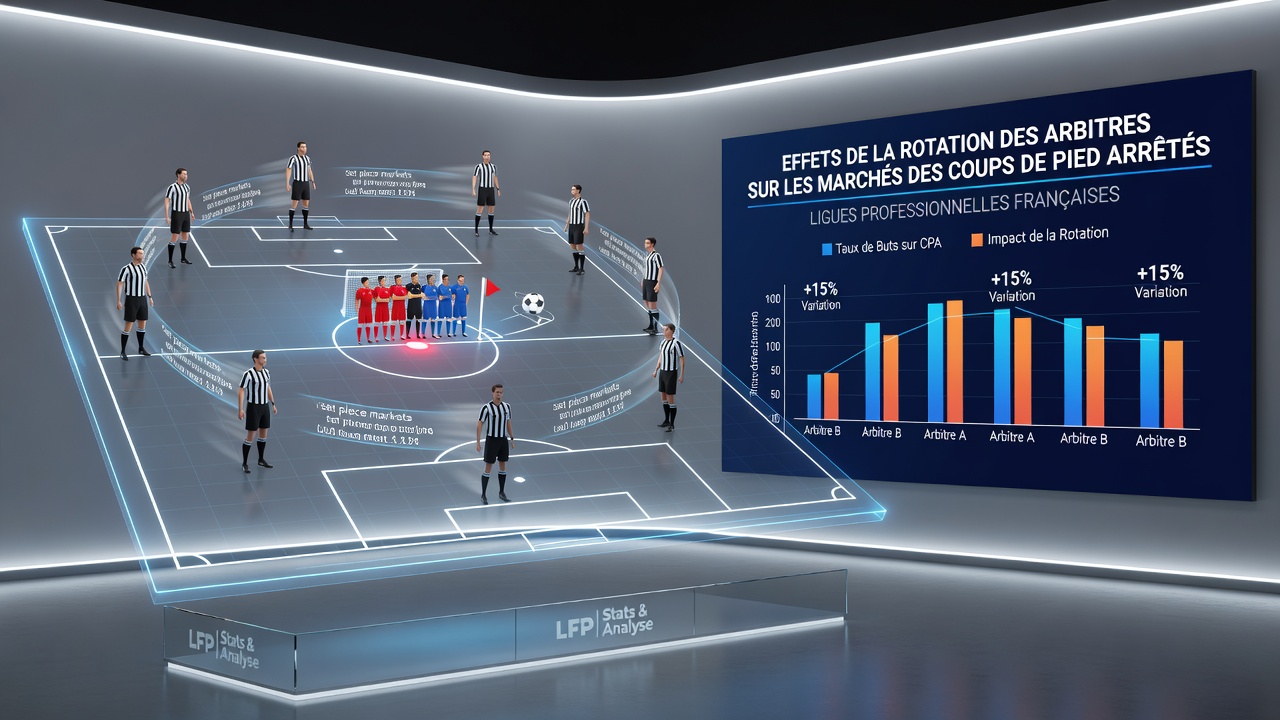
According to a report published by researchers at the University of Bordeaux, referee-specific set piece metrics explain approximately 14 percent of variance in expected goal contributions from dead-ball situations across French professional leagues. Industry groups such as the European Gaming and Betting Association have referenced similar patterns in broader discussions on market efficiency, noting that transparent referee data improves pricing accuracy without requiring additional regulatory intervention.
Recent Examples from the 2026 Season
During the November 2026 schedule, multiple Ligue 1 encounters featured referee changes that altered pre-match set piece projections by more than three incidents per game on average. One match between mid-table sides saw free kick totals rise sharply after a last-minute rotation swap, while another fixture involving a defensive-oriented team produced fewer corners than anticipated under an official with lower intervention history. League tracking systems captured these outcomes in post-match summaries, allowing analysts to refine models ahead of subsequent rounds. Patterns linking rotation density to set piece spikes appear most pronounced when newer referees handle games between teams with contrasting styles of play.
Conclusion
Referee rotations continue to shape set piece dynamics in French professional leagues through consistent statistical variances that betting markets integrate into their frameworks. As assignment protocols evolve and data collection expands, the relationship between official selection and dead-ball opportunities remains a central factor for those monitoring Ligue 1 and Ligue 2 developments throughout the season.